
Less manual work, faster workflow setup and clearer oversight: Airtable’s Fall Release points to practical benefits for SMEs. Here are the announcements that stood out and what to check before using them.
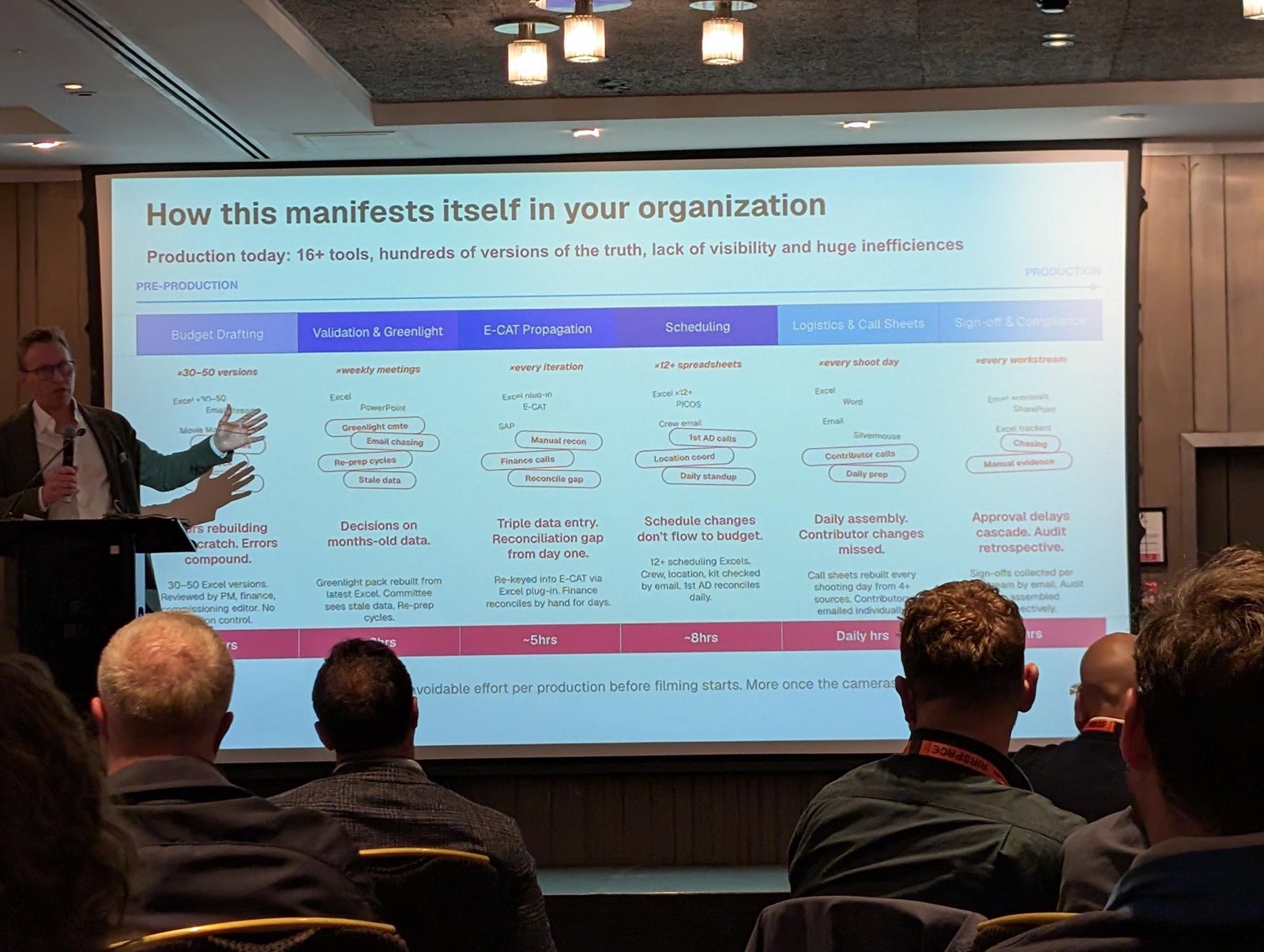
In October 2026, Axel, Silvester and Mike attended Airspace London on behalf of Quivvy Solutions. As an Airtable Gold Partner, we were there for the Fall Release, and our team came back full of inspiration.
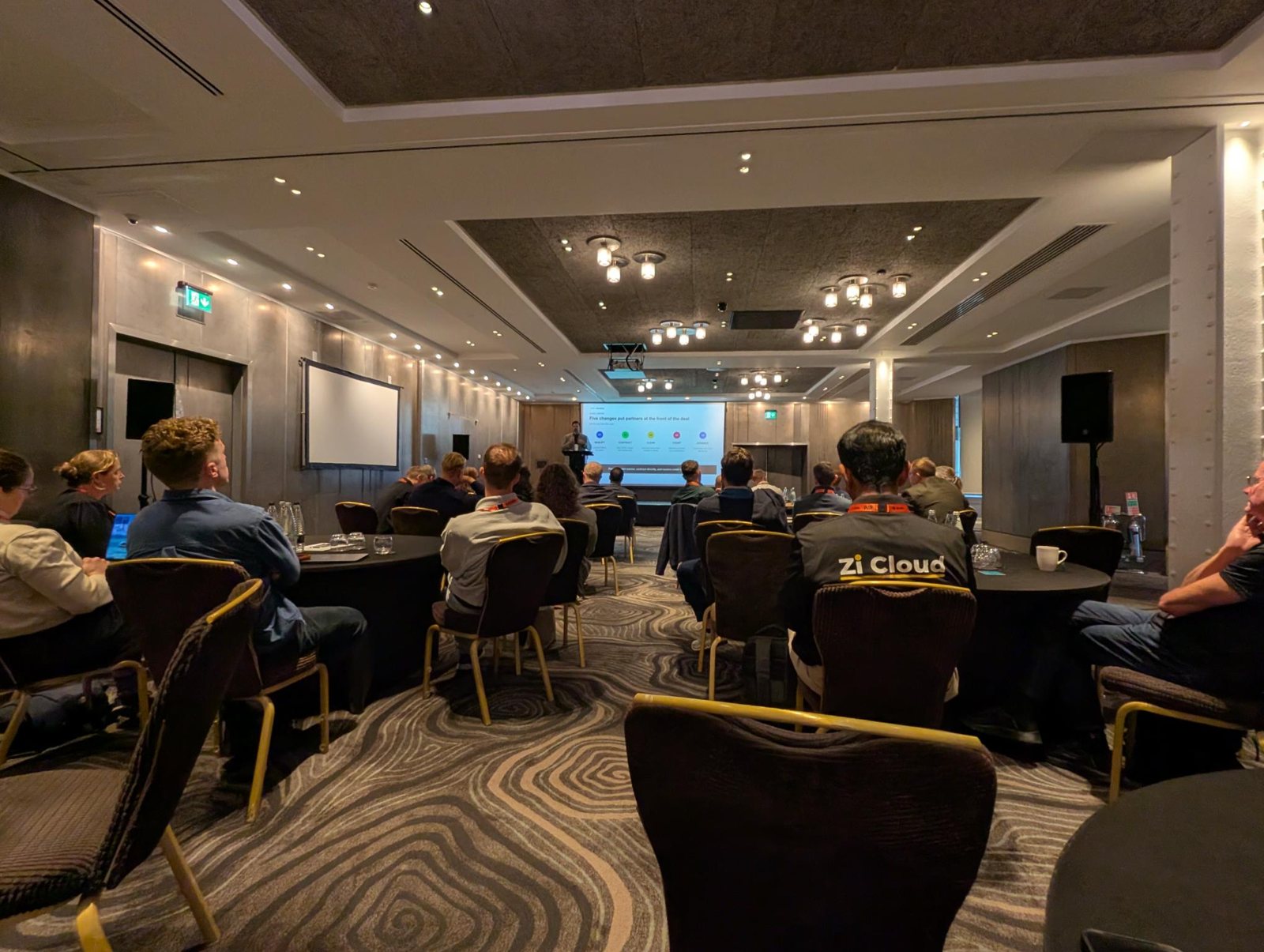
The message from Airtable was clear: your business is becoming agent ready. AI is no longer a separate add-on. It becomes part of how you build, automate and manage your data in Airtable.
Below, we explain what these updates could mean for your business. Availability reflects the supplied Fall Release information, not a live check of the current rollout. Confirm access, usage limits and restrictions for your organisation before planning an implementation.
Omni 2.0: Airtable’s own AI agent
Omni 2.0 was announced as available on all plans. You describe what you need in plain language, and Omni helps with the building. The supplied announcement does not specify plan-level usage limits.
It can turn messy files into a clean data model with tables, fields and linked records. It can also set up automations, write scripts and configure Field Agents that summarise, classify or enrich your records.
For our clients, this means the first version of a new base or process can be up and running much faster. That leaves more time for what really matters: the right structure and the right processes.
For example, a construction SME could use Field Agents to classify incoming delivery documents by document type and extract details such as the supplier and delivery date. An Airtable workflow could then route incomplete records to an employee for review. This would reduce manual sorting while keeping a person responsible for checking exceptions.
MCP: connect your favourite AI tools to Airtable
The upgraded MCP integration was presented as available, connecting Airtable directly to AI tools such as Claude, ChatGPT, Gemini and Cursor, with more on the way. These tools can read and update records, submit forms and even build automations and interfaces. The supplied announcement does not detail plan restrictions or differences in capability between tools.
Admins stay in control. They decide which AI tools are allowed, can switch MCP on or off, and can limit each tool to specific bases.
Airtable Canvas: apps and dashboards from a single description
Airtable Canvas was announced as moving into open beta, rather than general availability. Canvas builds custom apps, dashboards and presentations from a plain-language description, in your own brand style.
Before changing any tables or fields, it first proposes a plan and waits for your approval.
Availability limitation: according to the supplied release information, Canvas is not yet available for organisations whose data is hosted outside the US. Belgian and other European companies using non-US data hosting should confirm access before including Canvas in their plans.
Control and transparency
More AI also means more need for oversight. Airtable announced three capabilities to address this, with different availability statuses:
- Agent audit logs: show whether a person or an agent performed an action, with filters and exports for reviews. Announced in the Fall Release; rollout timing and plan availability are not confirmed in the supplied information.
- Agent permissions: intended to restrict what each agent can read or write, down to the field or record. An agent can never do more than the person who connected it. Announced as coming soon; launch timing and plan availability are not specified.
- Bring Your Own Agent: will let organisations connect their own agents to Airtable. Announced as coming soon; no launch date or access requirements are specified in the supplied information.
What this means for you
Together, these updates point towards Airtable becoming an even stronger foundation for SMEs that want to automate their processes without losing control over their data. The practical next step is to identify a suitable workflow and check which capabilities are available for your setup.
As an Airtable partner with Gold status, Quivvy Solutions is looking forward to putting these possibilities into practice with our clients. Our low-code approach uses configurable building blocks and integrations instead of developing every component from scratch. This reduces development time and helps us deliver tailored business automation faster and at a lower cost than traditional development, with apps and integrations handled under one roof.
Congratulations as well to the partners who took home an award at Airspace London. Well deserved!
Curious what Omni, MCP or Canvas could mean for your organisation? Get in touch and we will gladly explore it together.